

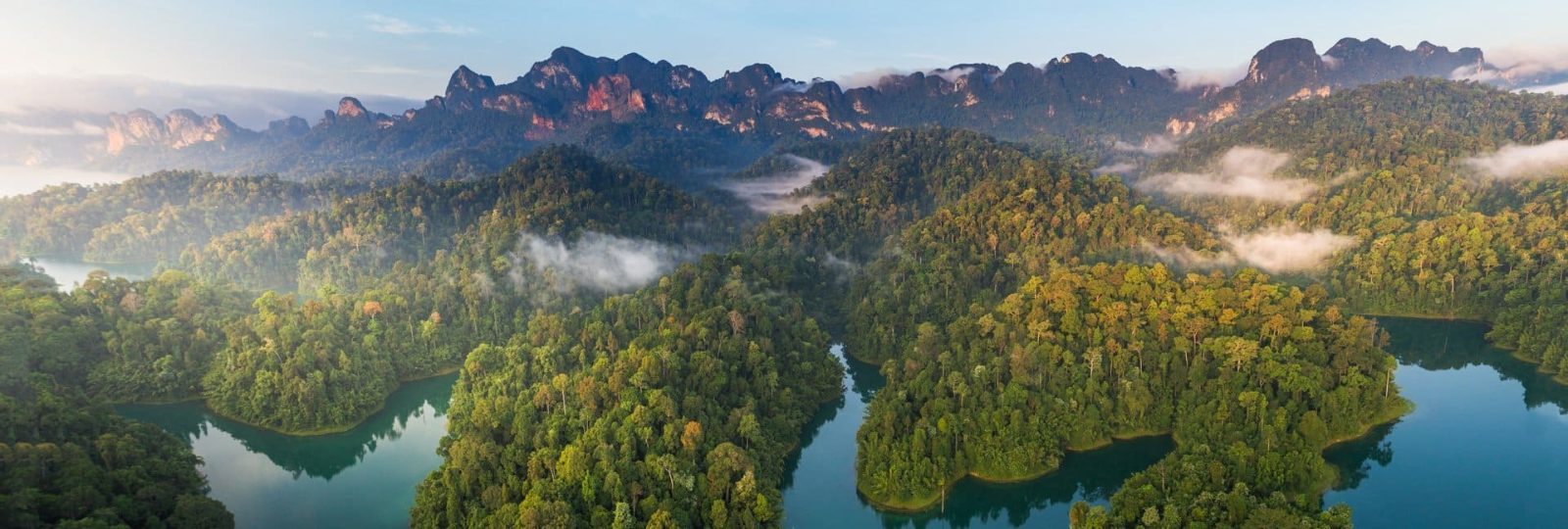
Quick answer
Khao Sok is worth it if you prioritize pristine jungle over beaches and temples. The 739-square-kilometer park delivers close encounters with hornbills, gibbons, and wild elephants, plus access to Cheow Lan Lake's floating raft houses. The 300 THB entrance fee (valid 24 hours) is modest, but reaching the park requires ground transport from Surat Thani or Phuket—plan at least two full days to explore meaningfully.
Khao Sok receives roughly one-tenth the annual visitors of Phi Phi Islands, yet harbors more mammal species than all of Great Britain. The park protects one of the world's oldest evergreen rainforests, where dipterocarp trees tower 60 meters and rafflesia blooms measure nearly a meter wide. Most first-time visitors underestimate the scale—trail networks stretch across primary forest, and Cheow Lan Lake alone spans 165 square kilometers behind Ratchaprapha Dam. Visiting Khao Sok National Park rewards patience more than speed. Morning treks along the Sok River Trail deliver sightings of dusky langurs and great hornbills before tour groups arrive, while guided night safaris reveal slow lorises and civets. Cheow Lan Lake requires a separate boat transfer and overnight stay on floating accommodation to experience the limestone cliffs and hidden lagoons fully. Independent travelers report the park's infrastructure—paved access roads, marked trails, riverside lodges—makes navigation straightforward once you arrive, though mobile signals vanish past the visitor center. The Khao Sok travel experience differs sharply from Thailand's coastal and cultural hubs. No temples, no nightlife, no resort amenities—the park centers on forest immersion. Rainy season (May through October) brings leeches and trail closures but also peak wildlife activity and fewer visitors. Dry season (November through April) offers easier trekking and reliable boat access to the lake, though December and January see higher lodge rates. Whether this tradeoff feels worthwhile depends on how much you value primary rainforest over convenience—Khao Sok demands early starts, decent footwear, and acceptance that animal sightings are never guaranteed. The park's geography creates natural bottlenecks. Most visitors base themselves in the tourism village along Route 401, where guesthouses and tour operators cluster within walking distance of park headquarters. From there, day hikes range from the beginner-friendly Ton Gloy Waterfall loop (four kilometers) to the advanced Sip-et Chan trek (11 waterfalls, full day with guide required). Cheow Lan Lake sits 65 kilometers west and operates as a separate destination—reaching the floating raft houses involves a one-hour drive plus longtail boat transfer, making it impractical as a day trip from the main park area.
“Khao Sok receives roughly one-tenth the annual visitors of Phi Phi Islands, yet harbors more mammal species than all of Great Britain.”
When to Visit: Is Khao Sok Worth It for Your Schedule?
The optimal time to visit Khao Sok is within the best arrival window of 08:00–10:00, which allows visitors to bypass mid-day heat and the influx of large tour groups. Planning your visit around seasonal rainfall patterns further ensures a more manageable experience.
Weekday mornings
Minimal—
Arriving between 08:00 and 10:00 minimizes congestion at trailheads and avoids peak heat.
December–April
ModerateDry season, 25°C to 32°C
This period offers the most predictable weather for trekking and lake activities.
May–November
LowMonsoon season, 23°C to 29°C
Rainfall is higher, particularly in September and October, which can affect accessibility to certain trails.
Verdict: For the best balance of weather and crowd management, aim for a weekday arrival between 08:00 and 10:00 during the drier months of January or February.
Operating Schedule: Is Khao Sok Worth It Daily?
Khao Sok National Park maintains consistent operating hours throughout the week to facilitate visitor access. The park is open daily to accommodate travel schedules.
| Monday | 08:00–16:30 | |
|---|---|---|
| Tuesday | 08:00–16:30 | |
| Wednesday | 08:00–16:30 | |
| Thursday | 08:00–16:30 | |
| Friday | 08:00–16:30 | |
| Saturday | 08:00–16:30 | |
| Sunday | 08:00–16:30 |
Key Sights: Why Is Khao Sok Worth It for Nature?
Khao Sok National Park features a rare combination of ancient rainforest and expansive aquatic landscapes. These geographical features offer distinct environments for observing diverse flora and fauna within the Surat Thani province.
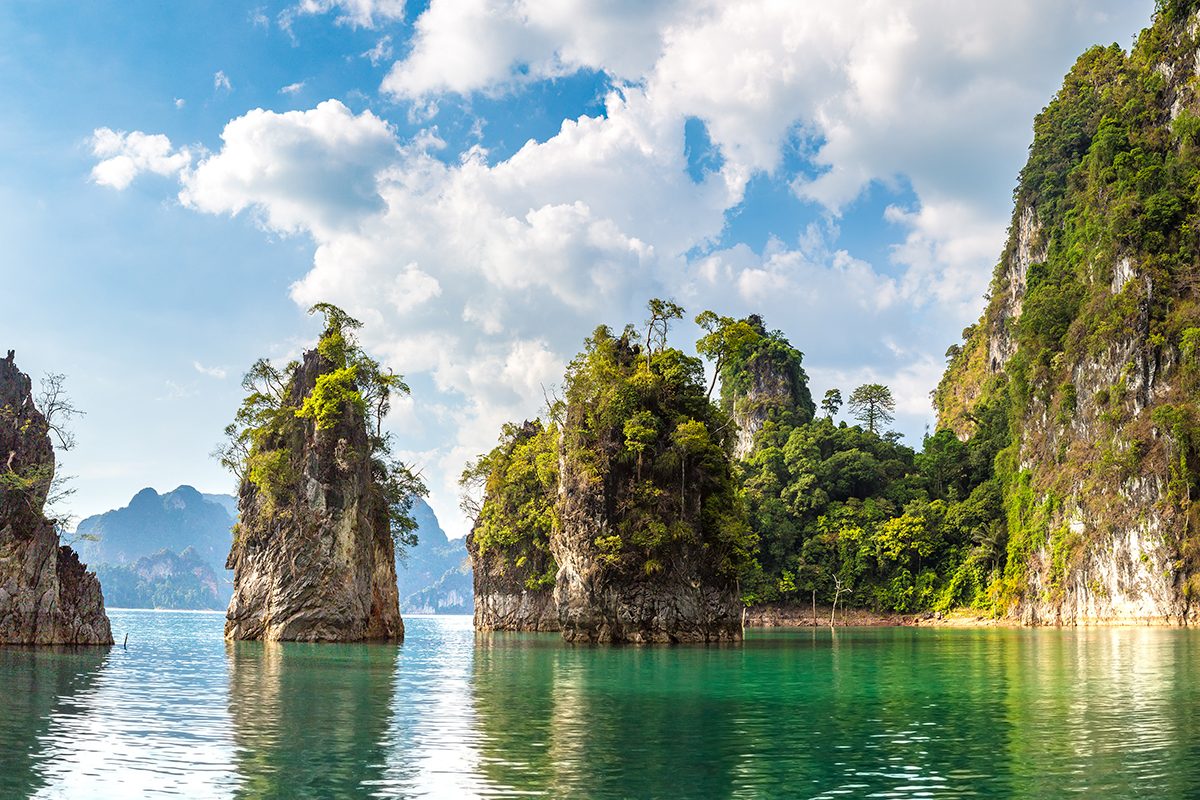
Cheow Lan Lake
A vast reservoir characterized by towering limestone karst formations rising directly from the water. It serves as the primary location for boat excursions and wildlife observation.
Visit early morning to see mist rising off the limestone cliffs.
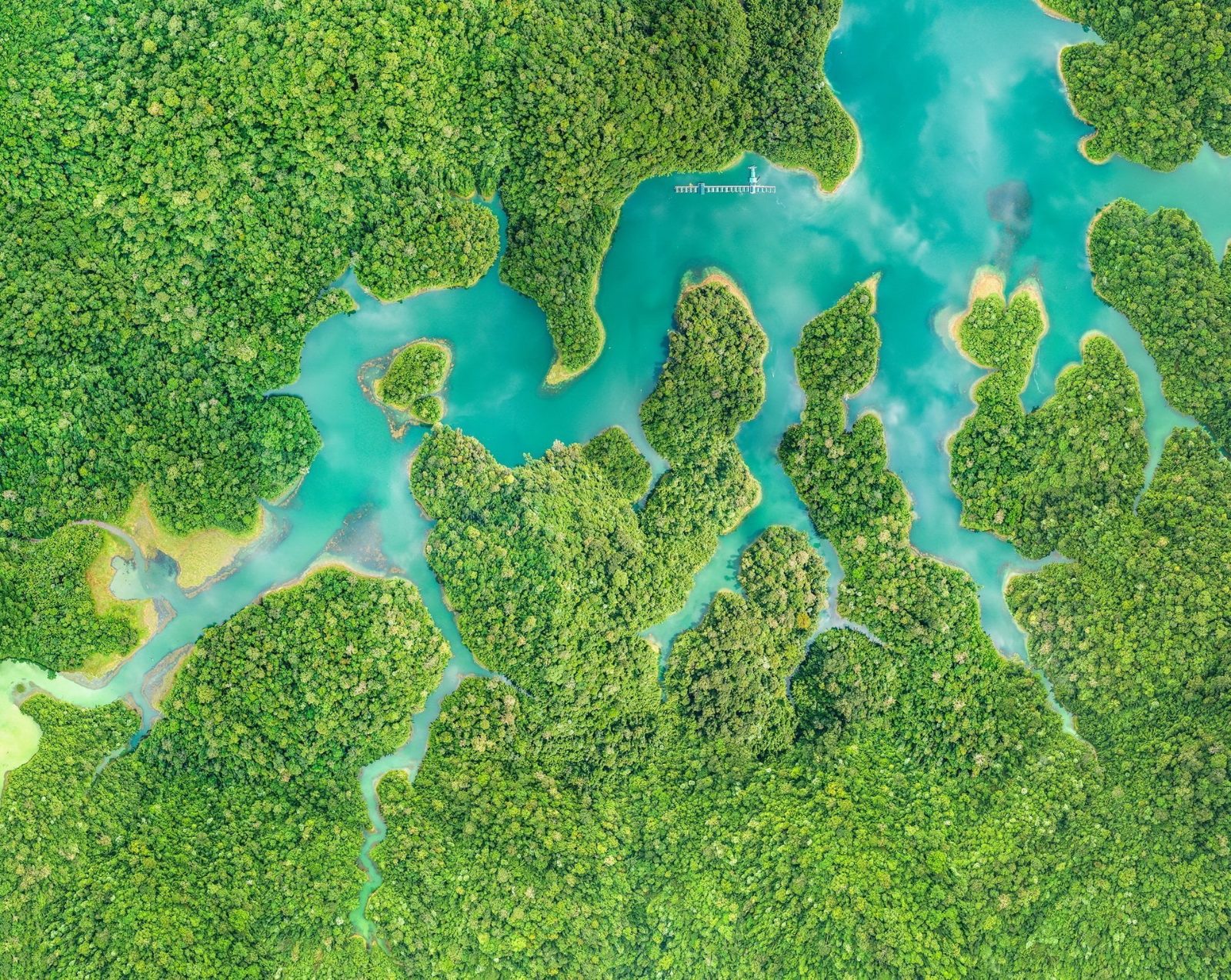
Khao Sok Rainforest
This primary rainforest is one of the oldest in the world, containing complex canopy layers and rare plant species such as the Rafflesia. Networked trails allow for ground-level exploration of this dense ecosystem.
Hire a local guide to spot hidden wildlife in the canopy.
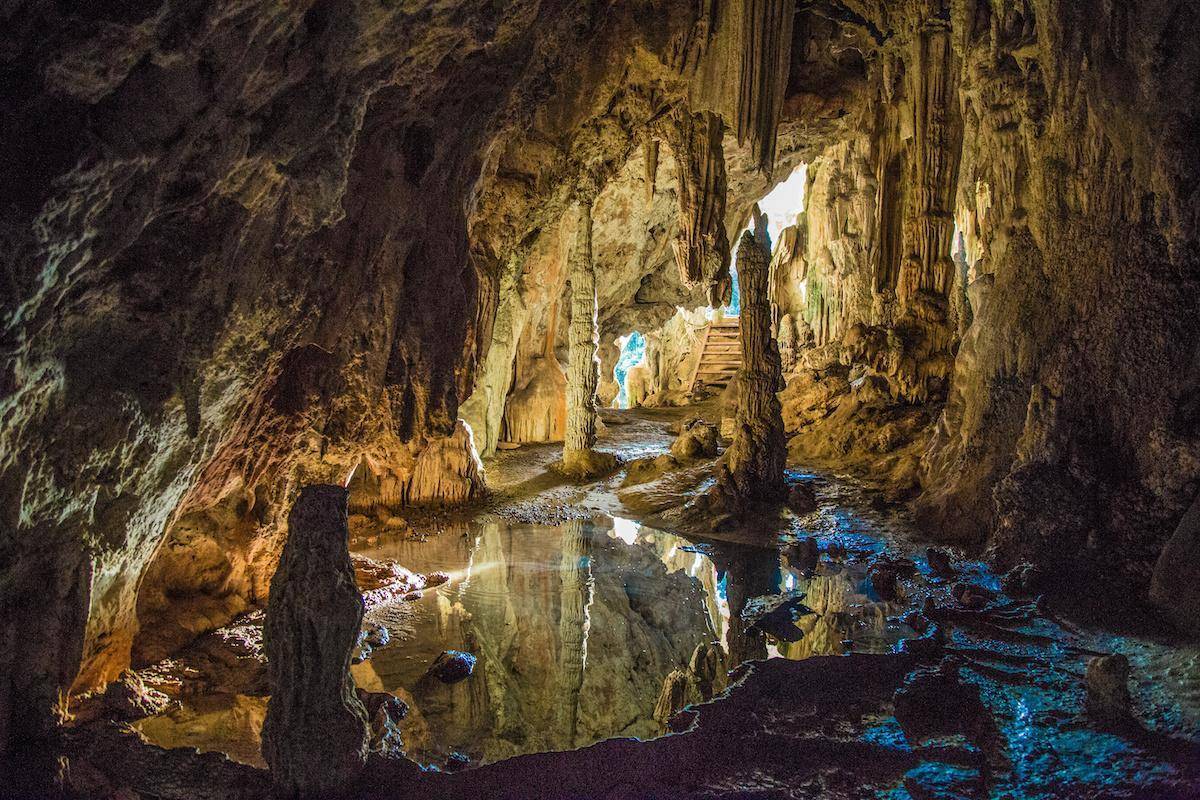
Nam Talu Cave
A river cave system known for its rock formations and seasonal water flow. Access to this site depends on current rainfall levels and park safety regulations.
Check seasonal accessibility with park staff before planning a hike.
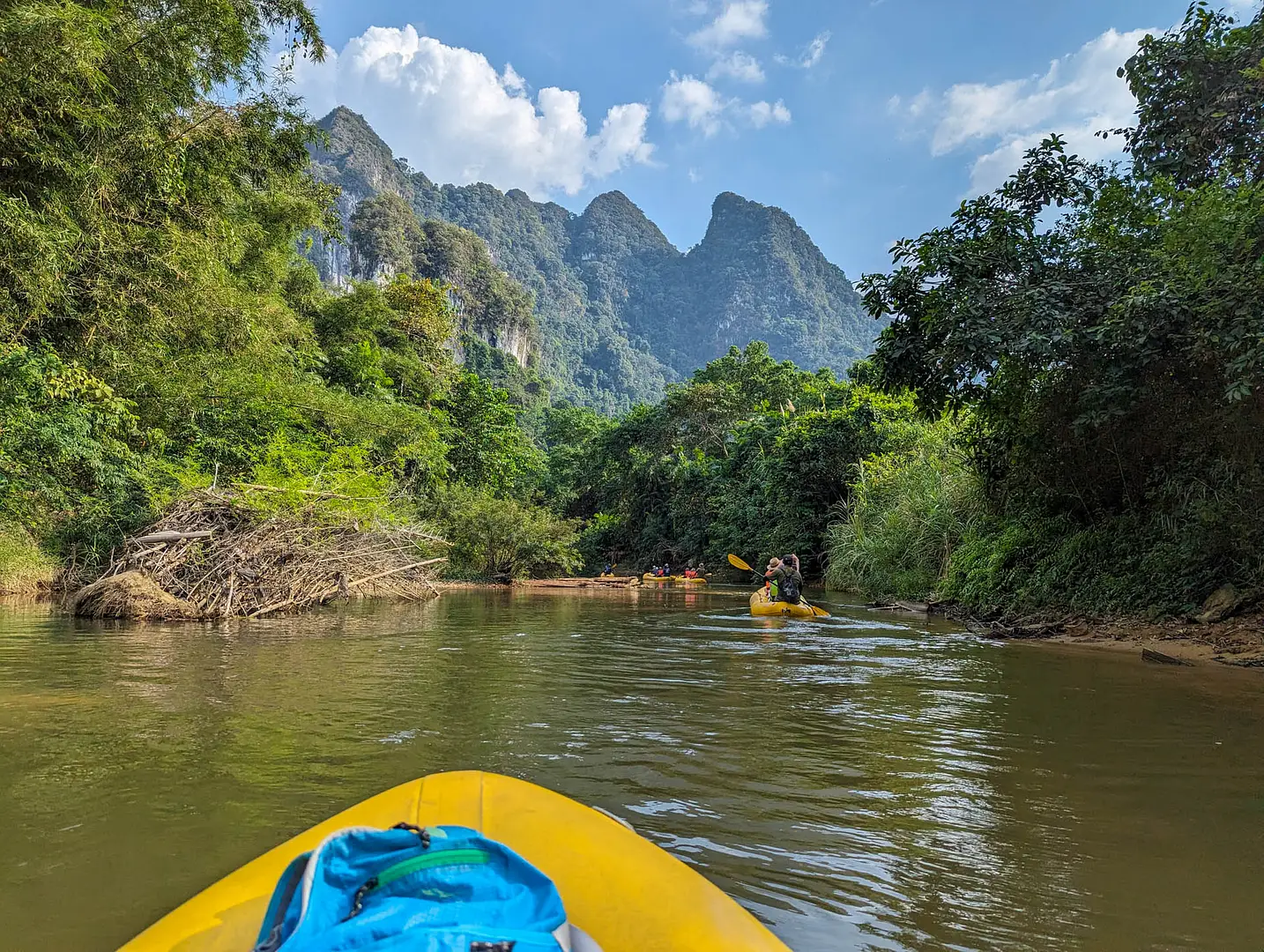
Sok River
The main waterway winding through the park, providing a habitat for river otters, macaques, and various bird species. Visitors often navigate this river by canoe or tube.
Use a non-motorized vessel to minimize disturbance to local wildlife.
Navigating the Park: How to Decide If Khao Sok Is Worth It to Reach
Khao Sok National Park is located in the Surat Thani province of southern Thailand. The most accessible approach for independent travelers is via the transportation hub of Surat Thani town or airport.
Surat Thani Town to Khao Sok (Route 401)
Surat Thani Airport to Khao Sok (Route 401)
Phuket to Khao Sok (Route 401/402)
Phuket Bus Terminal to Khao Sok (Route 401)
Check availability
Common questions: Is Khao Sok worth it?
Everything you need to know about is khao sok worth it